
Seguimiento de Flujo de Caja para PyMEs con Tablero Plantilla
Managing the financial pulse of a small business requires more than just looking at a bank balance; it requires understanding where every dollar comes from and where it goes. This Small Business Cash Flow Tracker provides a structured environment to record daily inflows and outflows, ensuring you never lose sight of your liquidity. The template is organized into three core areas: a detailed transaction log, an automated monthly summary, and a visual dashboard. By capturing data like payment methods, tax components, and specific customer or supplier details, you gain a granular view of your business operations.
The template is particularly useful for small business owners, startup founders, and freelancers who need to bridge the gap between raw receipts and high-level financial planning. It solves the common headache of manual reconciliation by automatically calculating net cash flow and running balances. You can easily identify seasonal trends, monitor tax obligations, and see which clients contribute most to your revenue. This visibility allows for better decision-making, such as timing large purchases or identifying when to tighten the budget before a lean month.
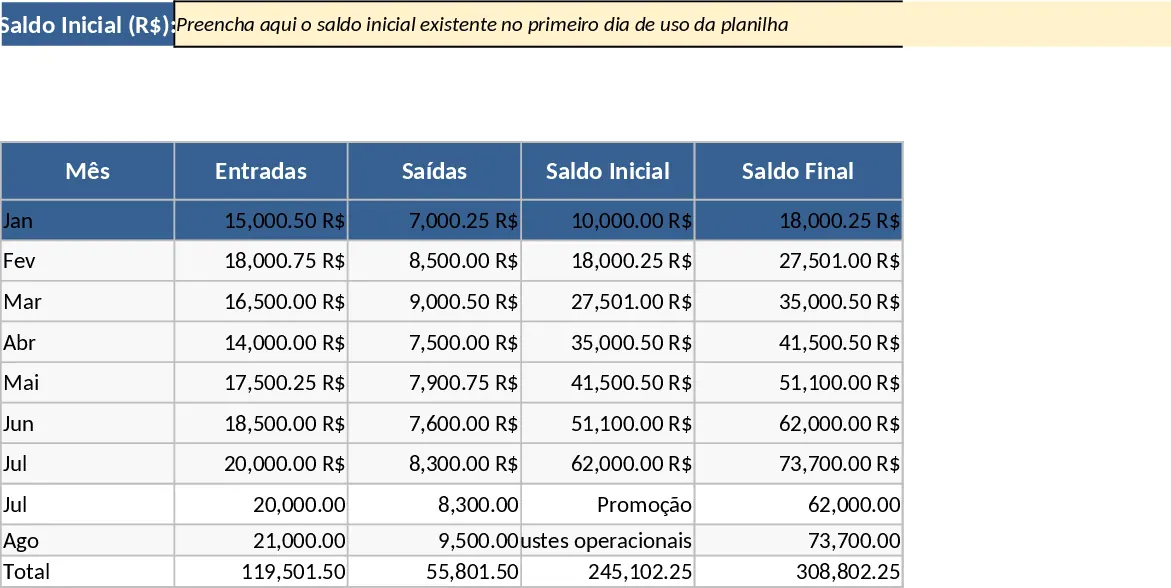
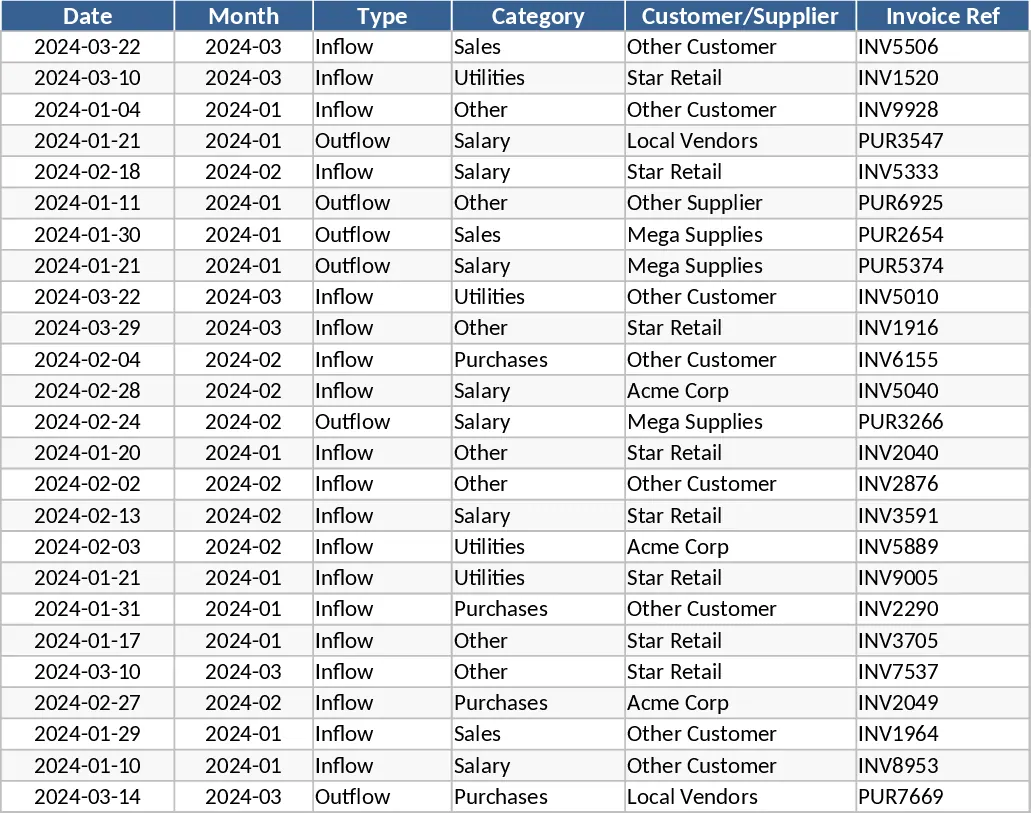
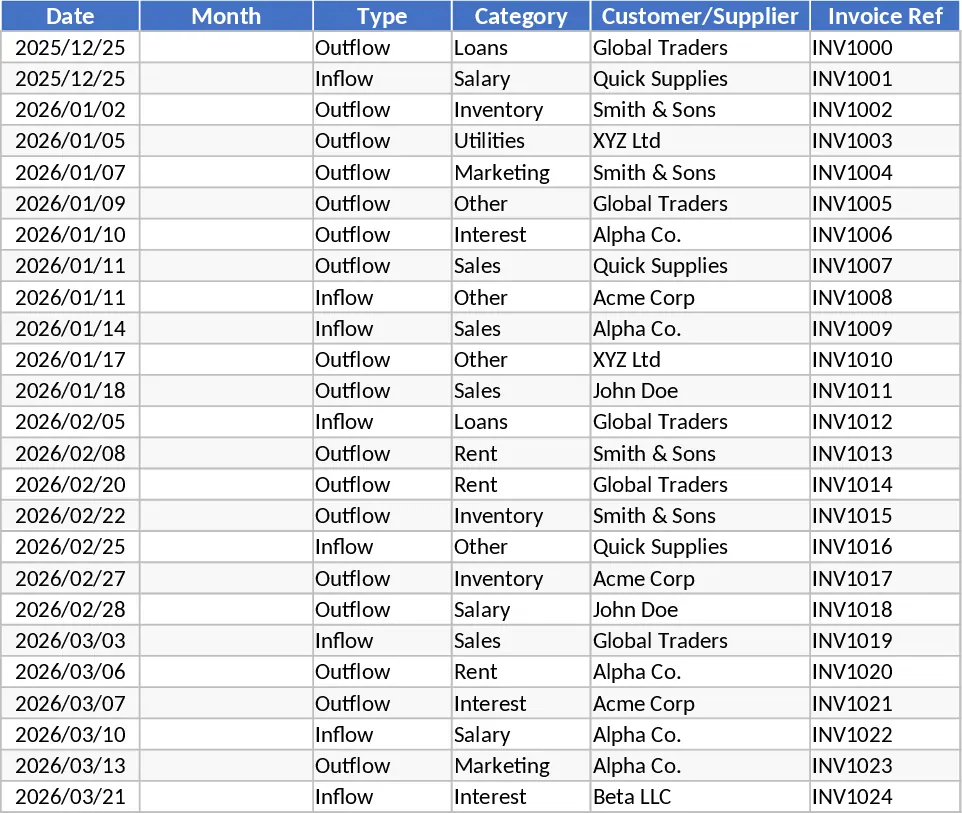
The Cash Transactions sheet serves as your primary data entry point. It includes columns for Date, Category, and Type, with built-in logic to ensure amounts are recorded correctly. The inclusion of an Invoice Reference and Notes section makes it easy to trace specific payments back to their source during tax season or audits. Furthermore, the Tax column allows you to separate your actual revenue from tax liabilities, which is essential for accurate profit assessment. The Monthly Summary sheet then aggregates this data, providing a month-over-month comparison of your financial performance, including total inflows, total outflows, and the crucial ending cash balance that carries over to the next period.
The Cash Flow Dashboard is the crown jewel of this template, transforming rows of data into actionable insights. It features a net cash flow trend chart to help you visualize growth, a category breakdown to highlight where your money is being spent, and leaderboards for your top customers and suppliers. This helps you understand not just how much money you have, but the quality of your cash flow—identifying if you are overly dependent on a single client or if certain operational costs are spiraling. By seeing your top suppliers by outflow, you can negotiate better terms or find more cost-effective alternatives.
How to use: Begin by setting up your categories and entering your initial cash-on-hand in the summary sheet to establish a baseline. Next, record your daily income and expenses in the Cash Transactions sheet; the template will automatically derive the month from the date and update your totals. Regularly review the Monthly Summary to ensure your net cash flow remains positive and your ending balance aligns with your bank statements. Finally, consult the Dashboard sheet to analyze spending patterns and revenue sources, using these visuals to inform your next business strategy session or to prepare for meetings with investors or tax professionals.
Expected benefits: This tool significantly reduces the time spent on manual bookkeeping and provides immediate clarity on your business's financial health, helping you avoid cash shortages and plan for future investments with confidence.
Recomendación de plantillas similares
Seguimiento de Flujo de Efectivo para Pequeñas Empresas Plantilla
Registra transacciones diarias y supervisa la salud financiera mensual con resúmenes automáticos y paneles visuales para el crecimiento de pequeñas empresas.
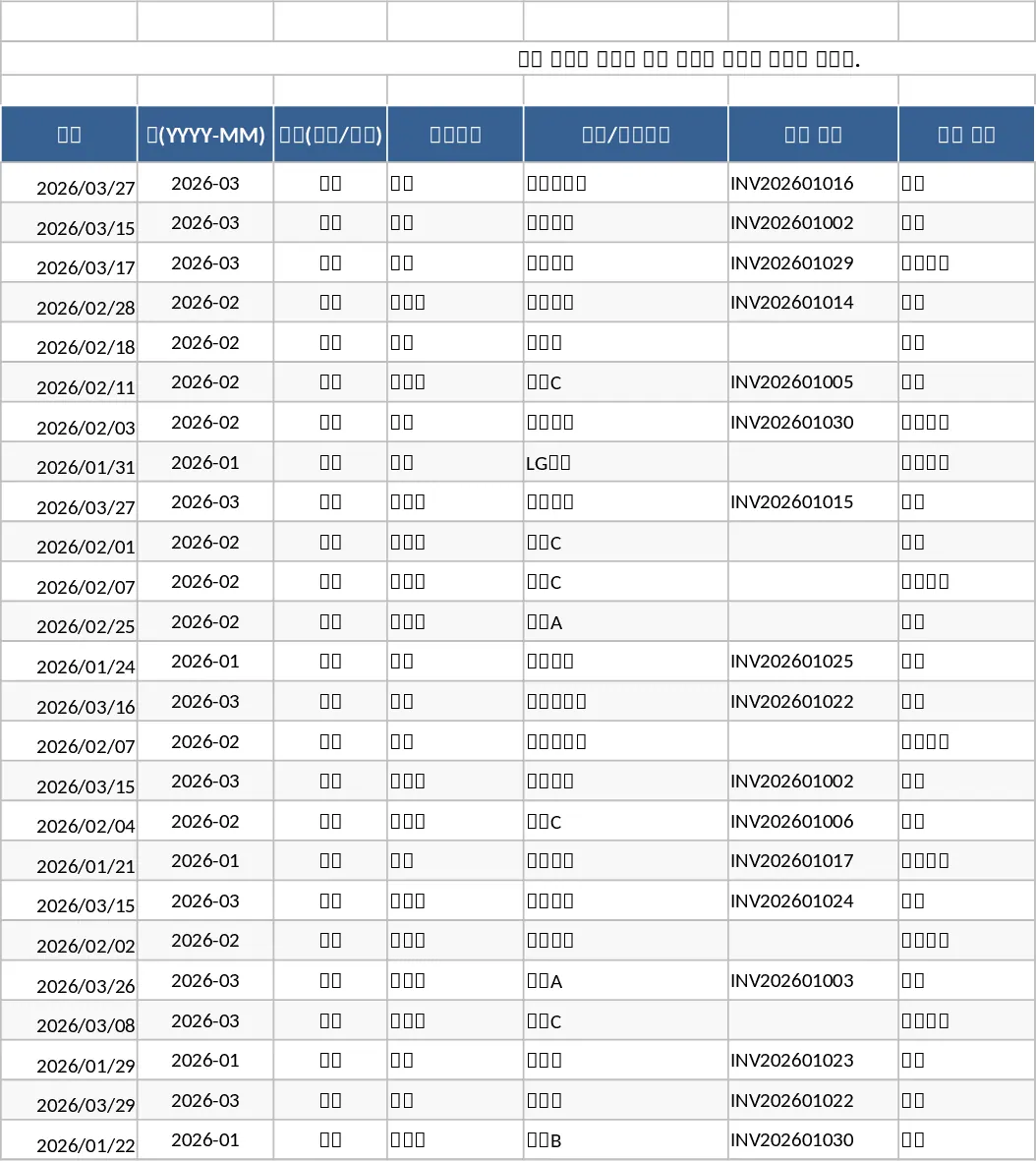
Seguimiento de Flujo de Caja para Pequeñas Empresas con Registro de transacciones Plantilla
Administra ingresos y gastos diarios, monitorea el flujo de caja neto mensual y visualiza la salud financiera con un tablero automatizado para pequeñas empresas.
Gestión avanzada de flujo de efectivo para pymes Plantilla
Registra transacciones diarias y supervisa la salud financiera con esta plantilla profesional de flujo de efectivo que incluye paneles automáticos y resúmenes mensuales.