

Debt Repayment and Budget Tracker Template
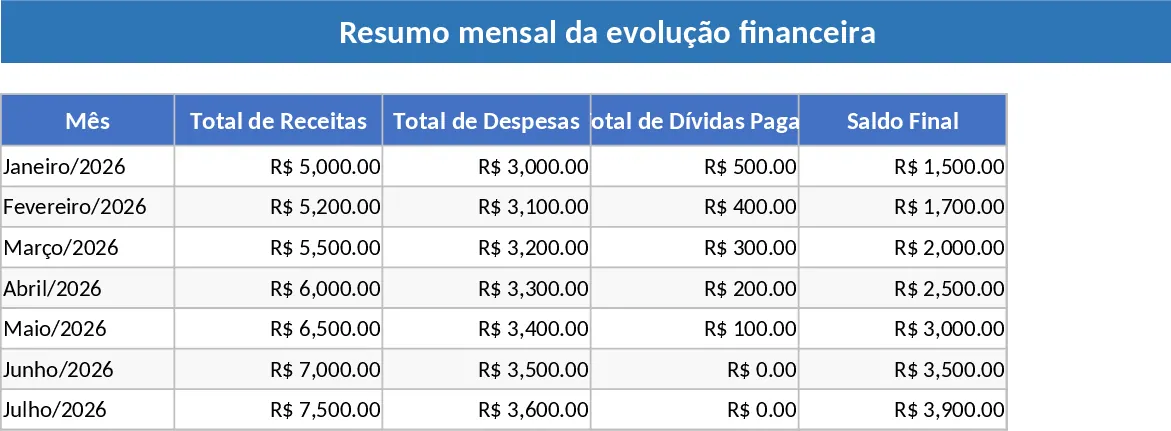
This template is built for anyone who wants to get a clear picture of their monthly cash flow and systematically eliminate debt. It contains separate sheets for Income, Fixed Expenses, Variable Expenses, Debt Overview, and a Summary Dashboard. In the Income sheet you log all sources – salary, rental income, side gigs – with columns for amount, frequency, and notes. Fixed Expenses sheet lists recurring costs such as electricity, internet, garage fees, and credit‑card minimums, each with a drop‑down to mark paid/unpaid status. Variable Expenses captures daily purchases like meals, drinks, and training courses, allowing you to categorize and filter by type. The Debt Overview table holds each loan or credit line, the original amount, remaining balance, interest rate, and remaining installments, automatically calculating monthly payment totals. Finally, the Summary Dashboard pulls data from all sheets to show total income, total outflows, net cash flow, debt‑to‑income ratio, and a month‑by‑month repayment plan that highlights how quickly you can become debt‑free and start saving.
The template solves the common problem of scattered financial information and unclear repayment timelines. By consolidating every cash inflow and outflow in one place, you instantly see where money is leaking and which debts are most urgent. The built‑in formulas suggest how much you can allocate to debt reduction each month while still covering essential costs, helping you prioritize high‑interest obligations and shrink your credit‑card balance faster. Over time, the dashboard visualizes progress, giving you confidence and motivation to stay on track. This is especially useful for freelancers, part‑time workers, or anyone juggling multiple income streams and loan obligations.
Ideal users are individuals who earn a modest salary plus side income, have several small debts (personal loans, consortia, credit‑card balances), and want to move from a reactive spending habit to a proactive budgeting routine. Whether you’re a recent graduate starting a career in IT, a gig‑economy worker, or a household manager trying to tighten finances, this template provides the structure to plan, monitor, and adjust your finances without needing advanced accounting skills.
How to use
- Open the workbook and start with the Income sheet: enter each source, its monthly amount, and any notes about variability.
- Fill in the Fixed Expenses sheet with your regular bills (electricity, internet, garage, etc.) and mark the payment frequency; the sheet will auto‑calculate the monthly total.
- Record daily purchases in the Variable Expenses sheet, selecting a category from the drop‑down (food, entertainment, education, etc.) to keep spending visible.
- List every debt in the Debt Overview sheet, entering the original amount, remaining balance, interest rate, and remaining installments; the template will compute the monthly payment and update the repayment timeline.
- Review the Summary Dashboard to see your net cash flow, debt‑to‑income ratio, and a suggested repayment schedule. Adjust the "Extra Payment" field to allocate any surplus toward the highest‑interest debt and watch the payoff date shift.
Expected benefits: By centralizing all financial data, you’ll spend far less time hunting for numbers, reduce the stress of missed payments, and gradually free up cash to start saving, all without complex software or manual calculations.
相似模板推荐
Comprehensive Multi-Tab Personal Budget and Expense Tracker Template
Take control of your money with this automated multi-tab workbook featuring transaction logs, category breakdowns, and a visual dashboard.
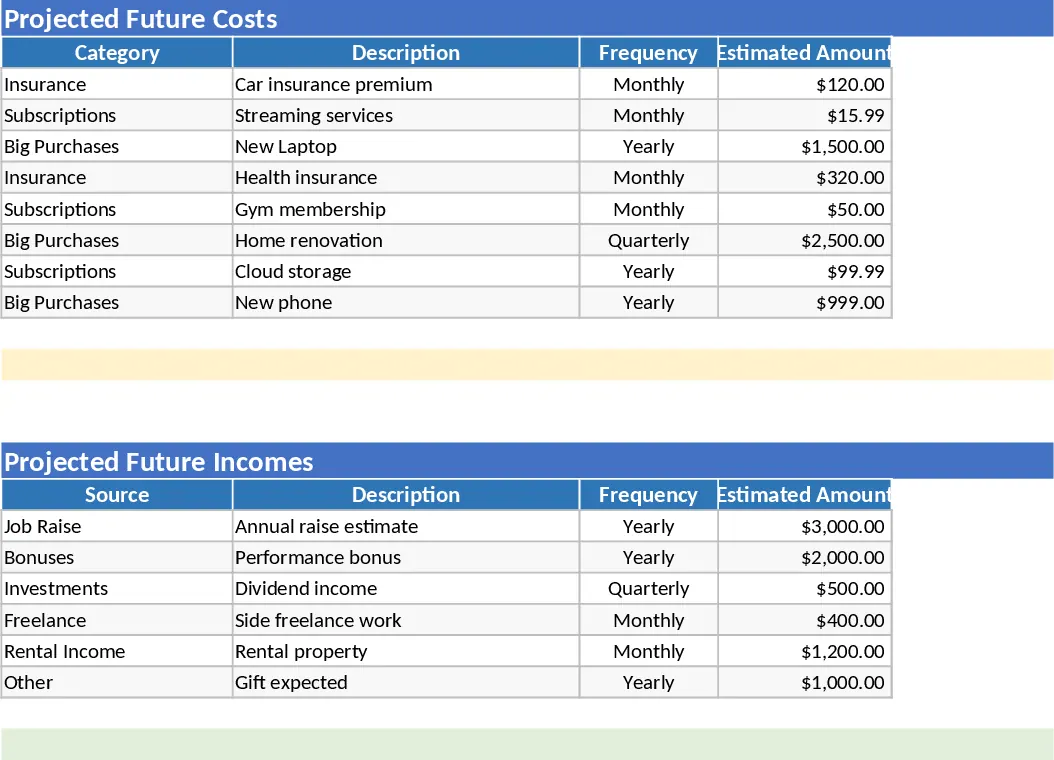
Simple Personal Budget Template
Manage your income and expenses with this comprehensive budget overview template to track financial health and achieve your savings goals effectively.
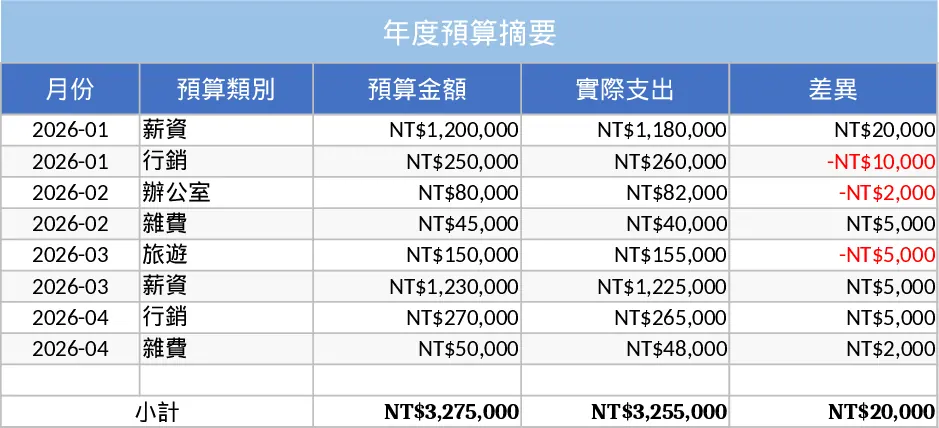
Income Expense and Accounts Payable Financial Tracker Template
Track daily income and expenses across monthly sheets and monitor accounts payable with an automated annual financial summary.
